
What to Do in the First 24 Hours After Water Damage
A step-by-step checklist to stop the water, stay safe, protect your insurance claim and prevent mold.
WATER DAMAGE IN CORVALLIS, OR
Burst pipe, flooded basement, soaked carpet? One call connects you with an independent local contractor for water removal and restoration.
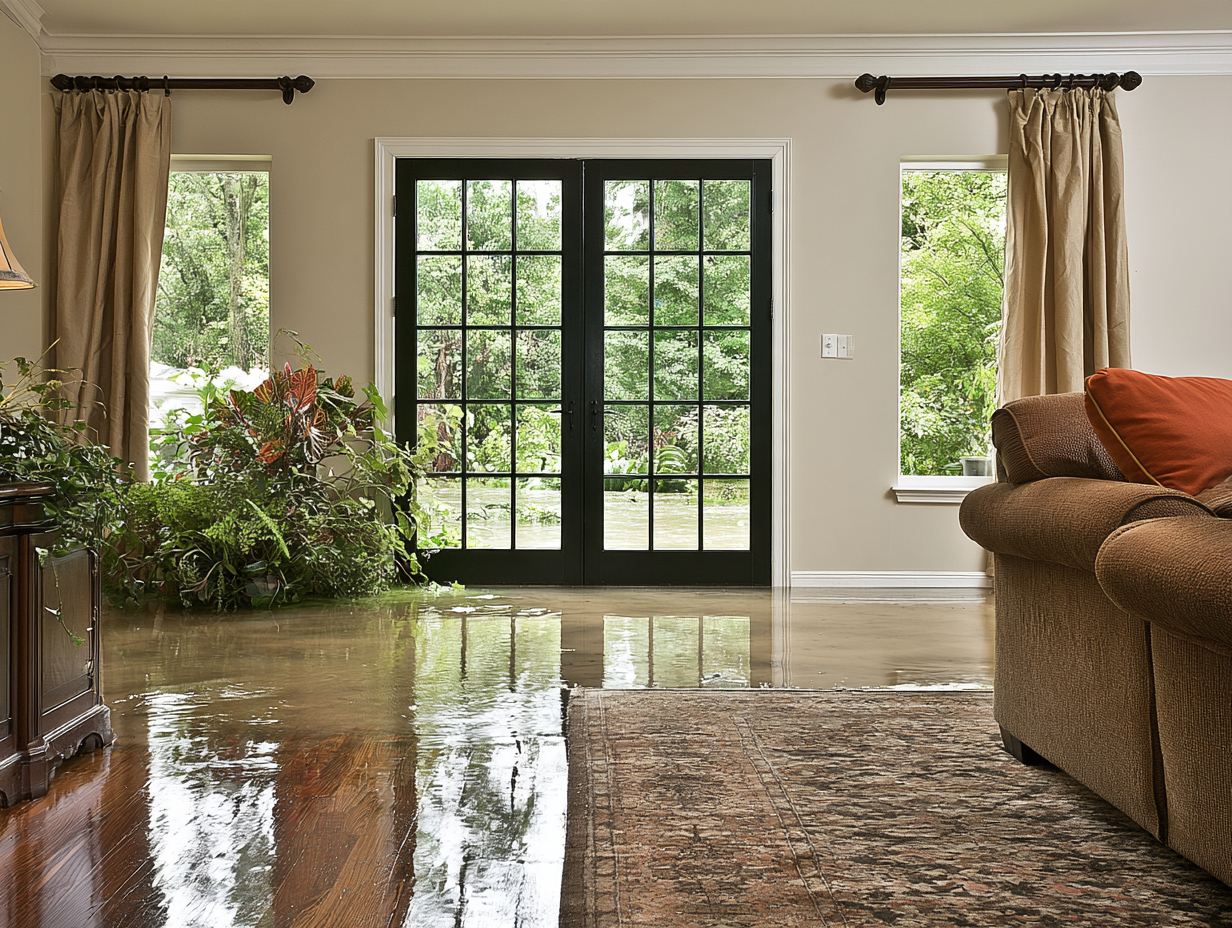
Water damage doesn't wait for a good time. A supply line lets go under the kitchen sink, a winter storm pushes rain through the roof, or you open the basement door to two inches of standing water. Whatever happened, the next few hours matter more than anything else. Water keeps moving after the leak stops: it wicks up drywall, soaks into subfloors and settles under flooring where you can't see it.
Water Damage Corvallis exists to make that first step simple. You make one call, describe what's going on, and get connected with an independent water damage contractor who serves Corvallis and the surrounding area. They handle the actual work: water removal, drying and restoration.
The sooner the water comes out, the less you lose. Most mold problems start when wet materials stay wet for more than 24 to 48 hours.
Standing water needs to come out first, and fast. Extraction contractors use truck-mounted and portable pumps to pull water out of carpets, floors, basements and crawl spaces before it spreads further into your home. Call (541) 230-7203.
Once the water is gone, the real work starts: drying the structure, finding hidden moisture and repairing what was damaged. Restoration contractors use air movers, dehumidifiers and moisture meters to dry your home properly. Call (541) 230-7203.
Call and get connected with a local water damage pro.
Call (541) 230-7203Corvallis winters are mild, but a few nights below freezing each year are enough to split an uninsulated pipe in a crawl space or exterior wall.
Most of the city's rain falls between November and March. Worn flashing, clogged gutters and aging shingles let it inside.
Saturated ground and a high winter water table push water into lower levels, especially in older homes without a working sump pump.
A failed washing machine hose, dishwasher line or water heater tank can release hundreds of gallons before anyone notices.
Backups bring contaminated water into the home. This is Category 3 water and needs professional cleanup.
Low-lying areas near the Marys and Willamette rivers can see water rise during major storms.
Corvallis gets around 43 inches of rain a year, and almost all of it arrives in the wet season. From late fall through early spring, the ground stays saturated for weeks at a time. That changes how water damage behaves here compared with drier parts of the country.
A contractor who works in the Mid-Willamette Valley knows these patterns: where to look for hidden moisture, how long drying really takes in January, and why a crawl space needs attention even when the living area looks fine.
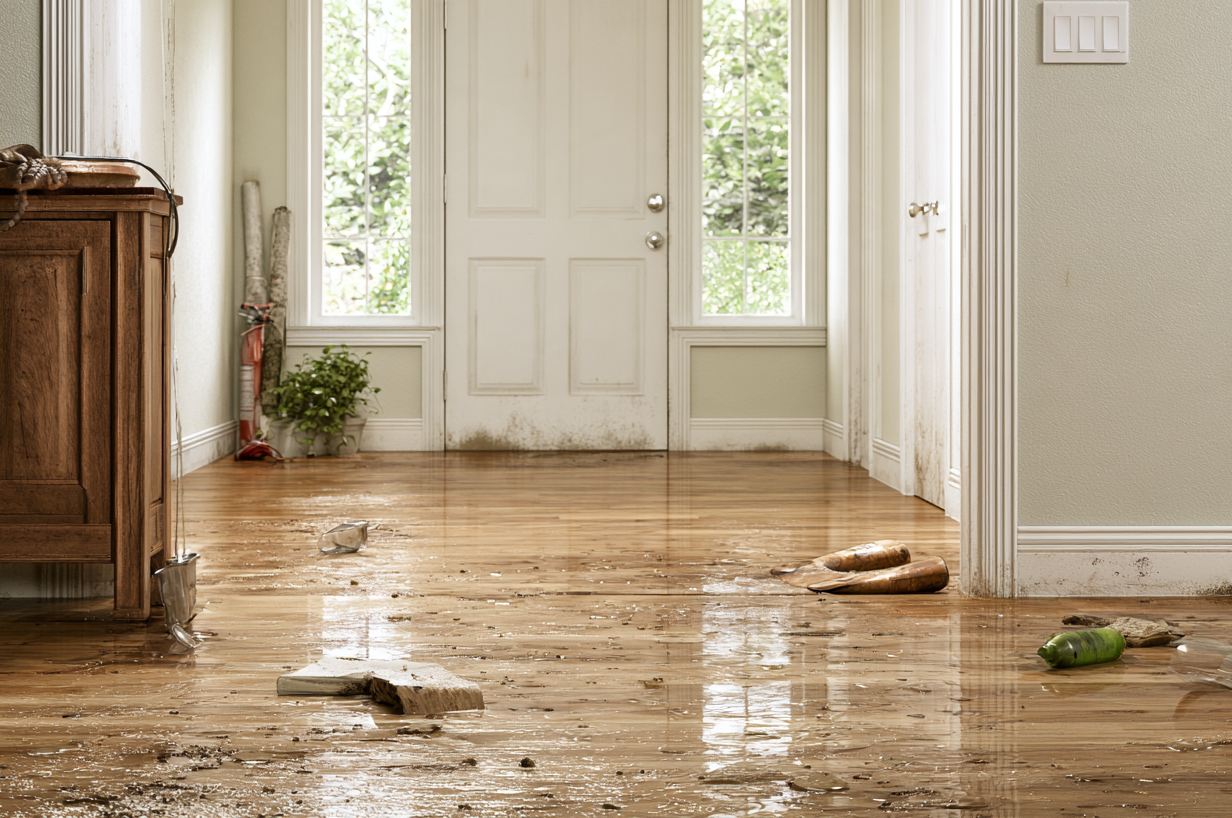
Call (541) 230-7203 and describe it. You'll be connected with someone who can tell you.
Call (541) 230-7203For a full step-by-step checklist, read what to do in the first 24 hours after water damage.
Not every water problem announces itself with a puddle. Some of the most expensive water damage in Corvallis homes starts slowly, inside a wall, under a floor or down in the crawl space, and isn't found until it's been there for weeks. Watch for:
Any of these can point to a slow leak or a wet crawl space. The earlier it's found, the more likely the fix is drying and minor repair rather than tearing out floors and walls. If something seems off, call (541) 230-7203 and describe what you're noticing.
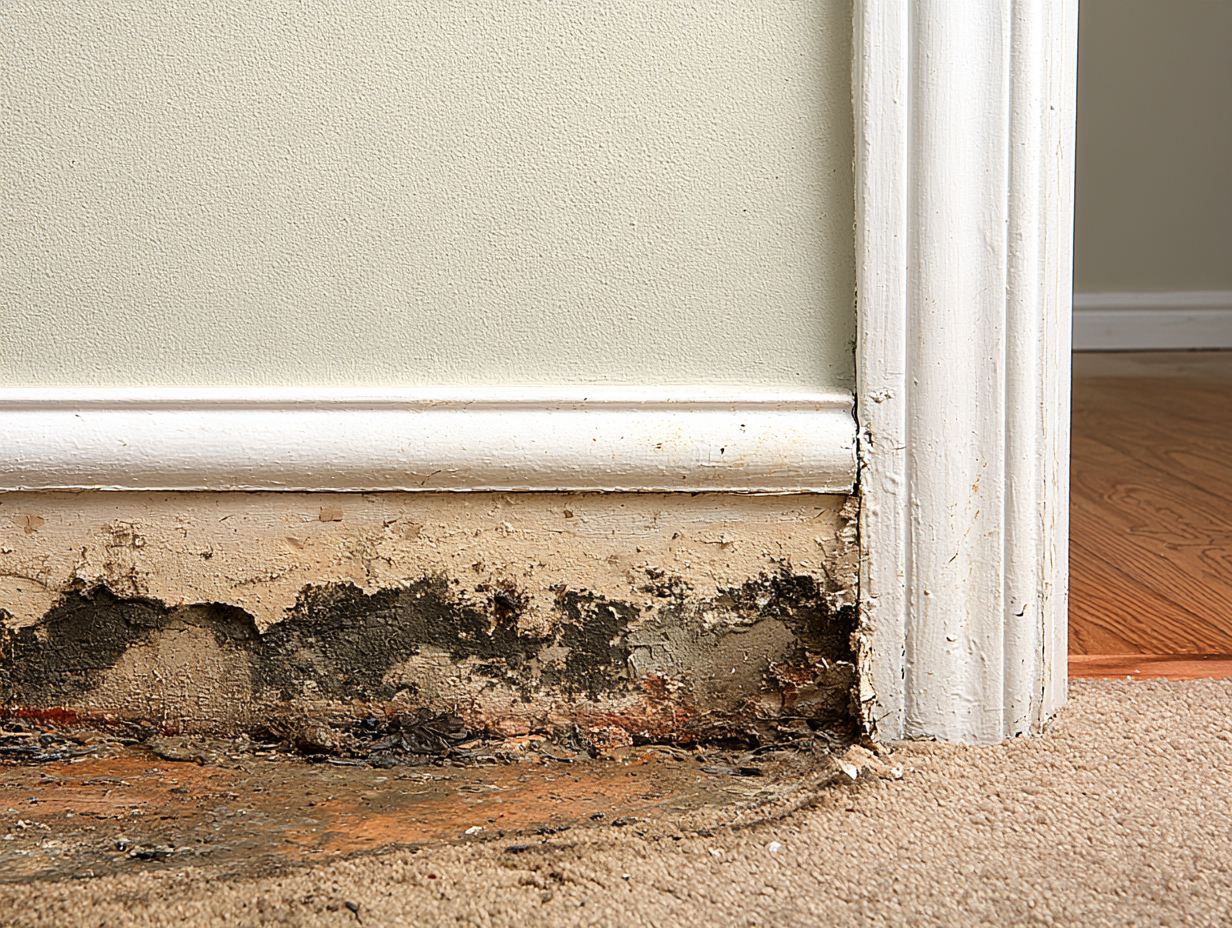
Water damage cleanup happens in two stages, and knowing the difference helps when you call.
Extraction is about speed. The goal is to get standing water out of the house in the first hours, before it soaks into the subfloor, the bottom of the drywall and the crawl space. Contractors use truck-mounted and portable extractors and submersible pumps, then press water out of carpet and pad.
Restoration is about thoroughness. Once the liquid water is gone, the moisture left in wood, drywall and insulation has to come out too. That means air movers, dehumidifiers and daily moisture readings until every material is back to normal, followed by repairs to anything that had to be removed.
Skipping or rushing either stage is how small leaks turn into mold, warped floors and repeat repairs. Most water damage jobs in Corvallis need both. Learn more about emergency water extraction and water damage restoration.
Water damage help isn't limited to Corvallis city limits. Independent contractors in this network serve homes across Benton and Linn Counties, from Philomath and Adair Village to Albany, Lebanon and Sweet Home. Find your town below.
You don't have to search, compare ten websites and leave voicemails. Call (541) 230-7203 and explain your situation once.
You're connected with a restoration contractor who works in the Corvallis area, not a call center in another state.
This isn't a general home-services directory. Every call here is about water removal and water damage restoration.
Not sure if you need extraction, drying or just a plumber? Describe what you're seeing and get pointed in the right direction.
As soon as possible. Standing water should be removed within hours, and wet materials should be dried within 24 to 48 hours to limit mold growth and structural damage.
Many policies cover sudden, accidental water damage like a burst pipe, but usually not flooding from outside or damage from a slow, long-term leak. Check your policy and call your insurer early.
Extraction removes the standing water. Restoration covers everything after: drying the structure, removing damaged materials and repairing them.
An independent, local water damage restoration contractor. Water Damage Corvallis is a referral service and doesn't perform the work itself.
A step-by-step checklist to stop the water, stay safe, protect your insurance claim and prevent mold.
Why so many valley crawl spaces take on water, the warning signs from above, and how drying works.
Sudden vs. gradual damage, common exclusions, flood insurance in the valley and how to file a strong claim.
Water removal, drying and restoration across Corvallis, Benton and Linn Counties.
Call (541) 230-7203